Artificial intelligence (AI) and machine learning are revolutionizing accessibility, breaking down barriers, and delivering tailored solutions for people with disabilities.
In this article, we explore how AI and machine learning are integrated into everyday devices and services, enhancing accessibility and fostering a more inclusive world.
We will also discuss potential challenges, opportunities, and the future of accessibility with AI.
Integrating AI into Everyday Devices
Smartphones serve as indispensable accessibility tools, combining machine learning software with hardware features like cameras, speakers, and microphones.
For example, Google integrates Tensor Processing Units (TPUs) into its Pixel phones, accelerating AI tasks such as voice recognition and machine translation. These devices offer valuable accessibility features, including text-to-speech, adjustable font sizes, and contactless payments.
Let's look at two examples of how smartphones are maximizing accessibility with AI.
Empowering Users with Hearing Loss
Modern smartphones provide features that support users with hearing loss, including compatibility with hearing aids and Hearing Loop settings. Messaging apps like WhatsApp and Skype offer text-based communication and video calls, facilitating sign language or lipreading when necessary.
Virtual Assistants: Your AI-powered Personal Aides
AI assistants such as Amazon Alexa, Apple's Siri, Google Assistant, and Microsoft's Cortana enable users to accomplish tasks through natural language voice commands. Serving as valuable assets for individuals with disabilities, these virtual assistants can control various aspects of a user's home, make phone calls, and provide news and weather updates.
Accessibility Challenges and Opportunites in AI
As AI and machine learning technologies become increasingly prevalent, addressing accessibility challenges is crucial for fostering inclusivity.
Engineers and developers must tackle and mitigate these issues to create opportunities for all users, especially as technologies continue to advance.
Some key areas to focus on include:
Enhancing Hearing Aid Compatibility and Sound Quality
Many modern smartphones come with "hearing aid compatible" features, but some users may still experience suboptimal sound quality due to low-quality Telecoil or microphone components.
To enhance sound quality and improve the user experience, it's essential to evaluate a phone's compatibility with hearing aids based on "M" (microphone) and "T" (Telecoil) ratings.
Additionally, users can reduce feedback and interference by holding the phone one or two inches away from their hearing aid. Addressing these challenges will make it easier for people with hearing loss to communicate effectively using smartphones.
Improving Facial Recognition Systems for Greater Inclusivity
AI-driven facial recognition systems sometimes need help with users who have atypical facial features, such as missing eyes or other unique characteristics. To make these systems more accessible, developers must refine AI algorithms to accommodate a wider range of conditions and circumstances.
By incorporating diverse data sets and employing more advanced techniques, facial recognition systems can become more accurate and inclusive, ensuring that all users can access the services they rely on.
Advancing Speech Recognition Systems for All Users
While speech recognition systems have made significant progress, there are still challenges to overcome, such as understanding various dialects, accents, and effectively filtering out background noise and echoes. Developers must continue refining these systems to provide accurate recognition for all users, regardless of their linguistic background or environmental factors. By investing in research and development, companies can create more advanced speech recognition systems that cater to a broader range of needs, making AI-driven technologies more accessible and user-friendly.
The Future of Accessibility with AI
Many large companies recognize the importance of accessibility and are committed to developing AI solutions for individuals with disabilities. Companies like Intel, Microsoft, and IBM are leading the charge in creating accessible technology and fostering a more inclusive world.
Intel's Innovative AI-Powered Backpack
Jagadish K. Mahendran and his team have developed a cutting-edge AI-powered, voice-activated backpack designed specifically to assist visually impaired individuals in navigating their environment.
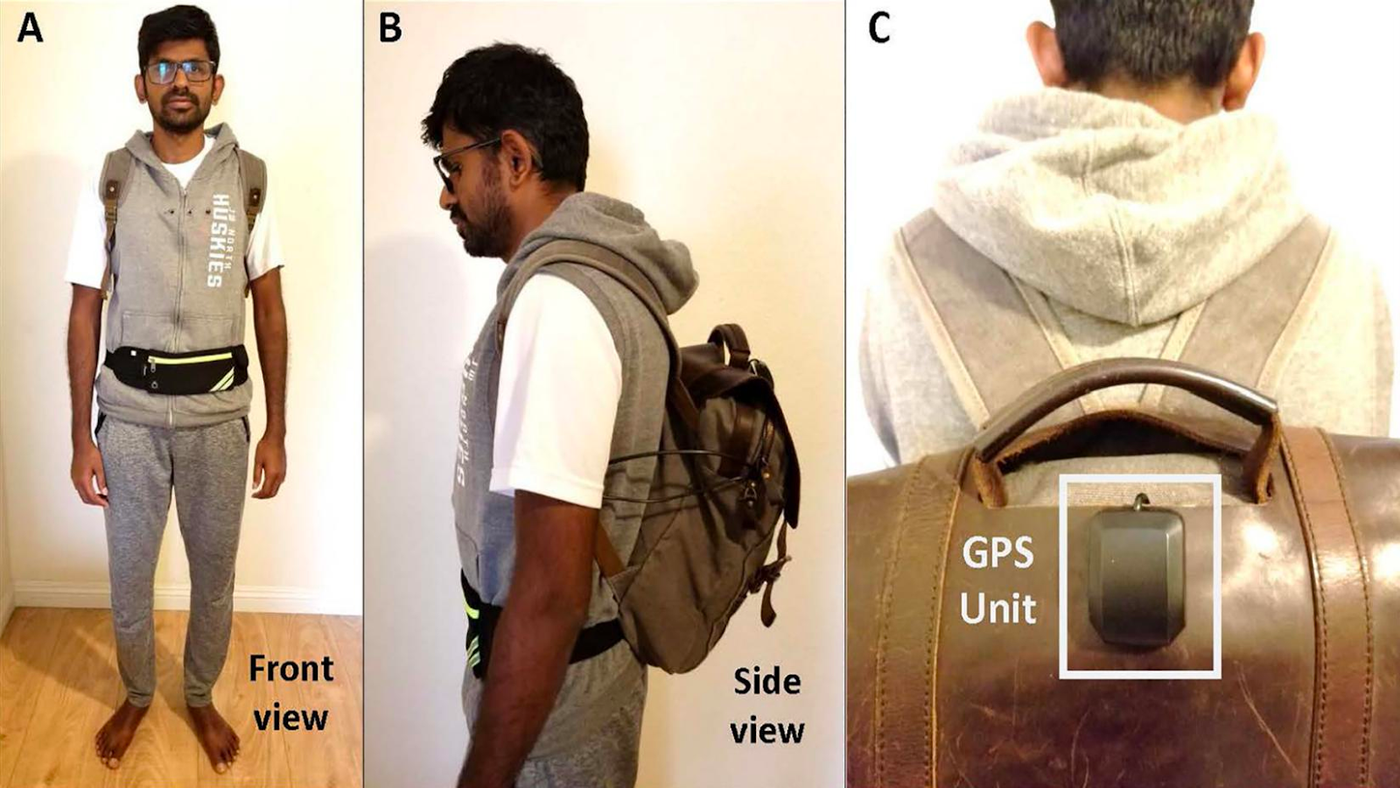
This state-of-the-art backpack is equipped with sensors and cameras that detect obstacles, traffic signs, crosswalks, moving objects, and changes in elevation.
By processing this information, the backpack provides real-time auditory feedback to users, guiding them safely through their surroundings. Moreover, this innovative solution operates on a low-power interactive device, ensuring both efficiency and reliability.
Microsoft's AI for Accessibility Initiative
Microsoft's AI for Accessibility program aims to empower people living with disabilities by focusing on five key areas: assistive technology, home, community, education, and employment. The program supports various projects that incorporate AI to create new opportunities and enhance daily life for people with disabilities in each of these domains.
(1) AI-driven Accessible Education
Microsoft is investing in AI tools designed to make learning materials more accessible, support language development, and expand assistive technology options. Innovations like AI-generated captions, personalized learning experiences, and intelligent tutoring systems promote educational equity for people with disabilities, helping them succeed academically and professionally.
(2) Inclusive Employment through AI
The AI for Accessibility program supports projects throughout the entire employment process, from job searching and interviewing to upskilling and career advancement. AI technology plays a crucial role in helping people develop workplace skills, adapt to new environments, and match suitable job opportunities. By encouraging inclusive hiring practices, Microsoft's initiative promotes economic recovery and independence for individuals with disabilities.
(3) Fostering Accessible Communities with AI
Microsoft's program also invests in AI-powered innovations that facilitate communication and provide equal access, regardless of an individual's listening, speaking, or writing abilities. Technologies like speech-to-text and text-to-speech, real-time translation, and AI-enhanced sign language interpretation are just a few examples of how AI can foster more accessible and connected communities.
(4) AI-Enabled Smart Homes and Accessibility
The AI for Accessibility initiative aims to create smarter and more contextually relevant software and devices for home use. By incorporating data from people with disabilities and understanding their unique needs, developers can reduce bias and enhance accessibility in smart home technologies. This focus on inclusivity leads to more user-friendly and adaptive solutions, such as voice-activated appliances and personalized environmental controls.
(5) Assistive Technology: Co-creating for Accessibility
Collaboration is at the heart of Microsoft's program, which emphasizes designing assistive technology with and for people with disabilities. By involving individuals with disabilities in the development process, the program ensures that innovations are genuinely accessible, user-friendly, and effective in addressing a wide range of needs. This collaborative approach fosters creativity and drives the creation of cutting-edge solutions that make technology more accessible to everyone.
By focusing on these areas, large companies can play a significant role in promoting accessibility and driving societal change. The continued investment in AI-driven solutions and inclusive technology will ultimately lead to a more accessible and inclusive world for all.
AI and machine learning technologies have significantly enhanced accessibility and inclusion. However, it's essential for developers to address AI challenges and incorporate accessibility testing to ensure that applications and devices work for all users, including those with disabilities. By overcoming these obstacles, companies can create more inclusive products catering to a broader range of needs.
Large organizations play a significant role in society's economic and social development, and their commitment to accessibility can have far-reaching benefits. By investing in and creating inclusive technology, these organizations not only support individuals with disabilities but also contribute to a more inclusive world. The growing focus on accessibility as a social trend highlights the importance of making technology available to everyone.